Leme logo

Trajectories

Prevention of Youth Criminal Involvement2025-currentState of Rio de JaneiroIn Progress
Project

Description

The Trajectories Project seeks to understand how young people in Rio de Janeiro become involved in violence and at what points public policies can prevent this involvement or help interrupt it. Currently, records of these young people across education, healthcare, social assistance, public security, and the justice system are scattered across different agencies. Each agency has access to only part of their journeys through public services, making it difficult to identify where service provision is interrupted and to assess the effects of policies over time.

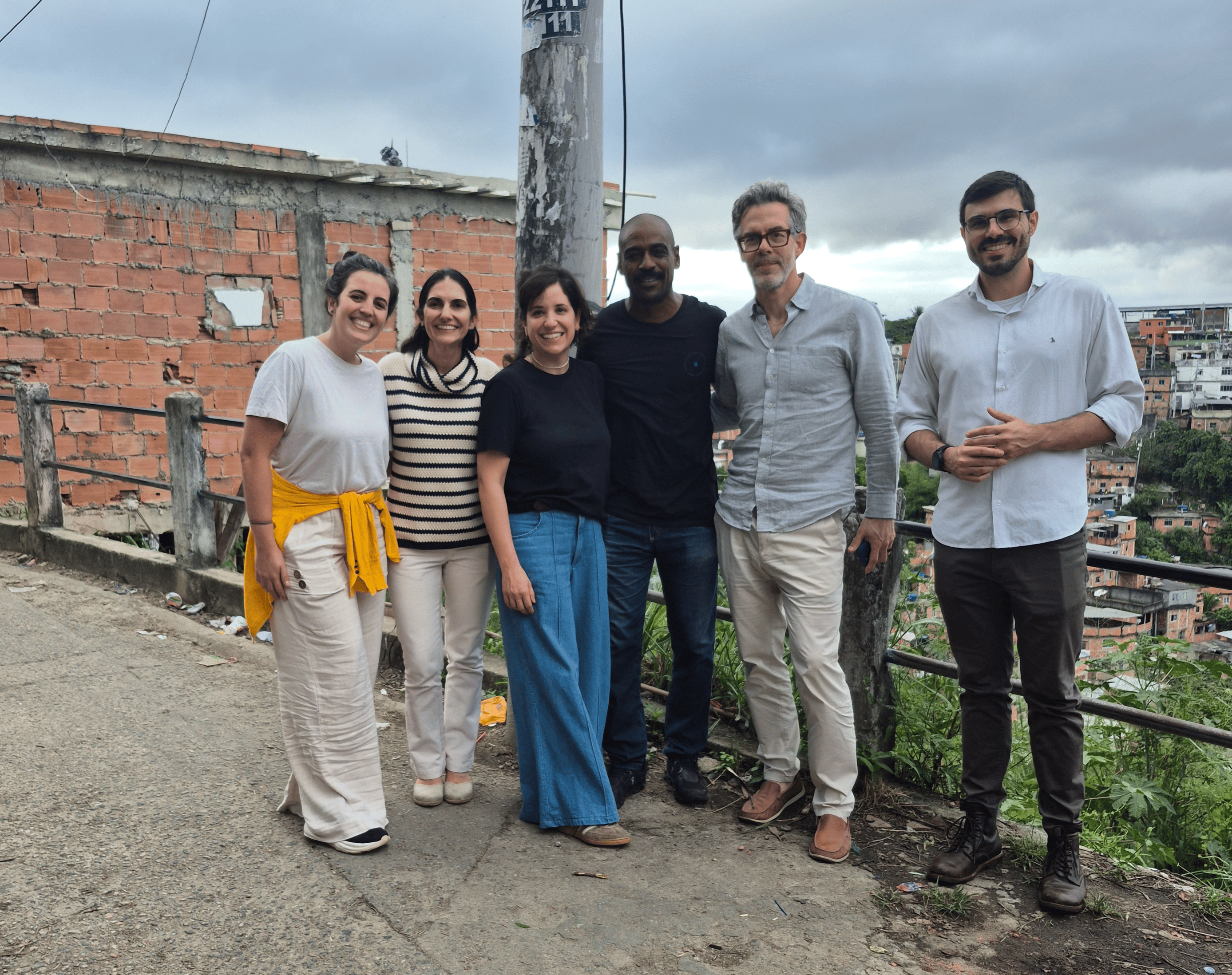
Before their first offense, many adolescents already face challenges at school, exposure to violence, or family disruptions, such as the loss of a parent or guardian. These difficulties can accumulate as their ties to school and public services begin to weaken. For those who go through the juvenile justice system, the end of a court-ordered measure is another critical moment. Many young people need to resume their studies, regain access to services, and cope with violence in the communities where they live. This fragmentation is also reflected in the division of responsibilities for juvenile socio-educational services. Municipal governments implement non-custodial measures, such as supervised release and community service. The state government, through the General Department of Socio-Educational Actions (Degase), implements semi-liberty and custodial measures. With records kept separately across different agencies, it is difficult to determine, for example, whether an adolescent has returned to school or begun receiving support from municipal social assistance services after leaving a state-run facility.

Expected Outcomes

The integrated database will make it possible to study what happens to young people before, during, and after socio-educational measures. The findings from the diagnostics and evaluations will provide a basis for discussions with partner agencies on where service delivery can be improved and which changes require joint action by the state and municipal governments.

  • Integrated longitudinal database, containing records on schooling, access to services, employment, involvement with the juvenile justice system, and exposure to violence.

  • Impact evaluation of at least two public policies in the areas of public security and juvenile justice, to estimate their effects on young people's trajectories.

  • Technical reports on the implementation of socio-educational measures, providing information on the start and duration of the measures, activities carried out, and follow-up with adolescents during and after their completion.

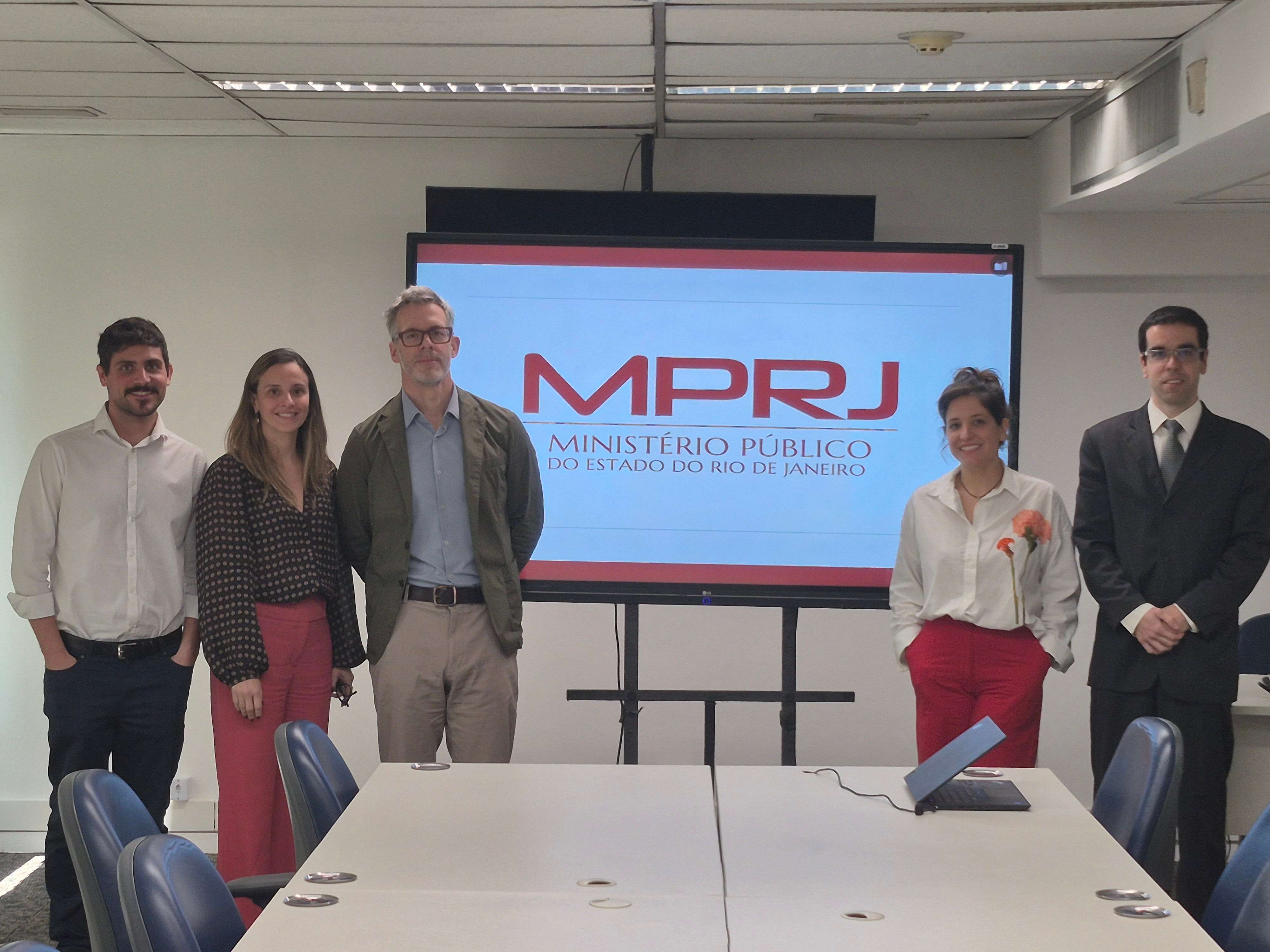
  • Discussion and dissemination of findings, through presentations to the Public Prosecutor's Office of the State of Rio de Janeiro (MPRJ) and other partner agencies to discuss how to coordinate services provided in open and custodial settings and ensure continuity of support after the measures end. The findings will also be shared through seminars and publications, always in aggregated form to protect the identities of the young people involved.

Galley

View more projects